
Ask your regular practice
Can it provide itemized invoices and complete clinical notes? Who can send records if the insurer requests earlier history?
Use your home ZIP code for quotes, the New York policy documents for coverage, and the state’s regulator tools to verify who stands behind the offer.

That is a state-level availability fact, not a guarantee that every animal, age or requested benefit qualifies.
If you are searching from Nassau or Suffolk County, use that home address. If you mean Long Island City in Queens, use the Queens address. The practical insurance task is the same: obtain an accurate New York offer for where your pet lives. There is no reason to assume those locations receive the same price.
Do not read a geographic label as a separate insurance product. A page headed “Long Island” may still describe a statewide or national product. Check the actual state form and the underwriting company, rather than assuming local wording adds local benefits.
Moving also deserves a fresh question. Tell your insurer when your residence changes and ask what that does to price, eligibility and continuity. A trip to another clinic and a permanent move are different events; the terms that apply to each should be checked separately.
New York DFS supplies insurer and licensee search tools. Use the legal entities named in the quote, which may differ from the consumer-facing brand.
| Check | Where to look | What it does not prove |
|---|---|---|
| Insurance company identity | The quote or policy names the underwriting insurer; compare that name or NAIC number with DFS records | A familiar brand alone does not identify the entity responsible for claims. |
| Agent or broker identity | DFS Producer/Licensee Search if an intermediary is arranging the policy | Licensing does not certify that a plan covers your pet’s medical history. |
| New York terms | Declarations, state endorsements and benefit schedules supplied for your address | A sample from another state cannot establish your waiting period or coverage. |
| Complaint route | DFS consumer complaint information if an insurance issue remains unresolved | A complaint submission is not a guarantee that a denied claim will be paid. |
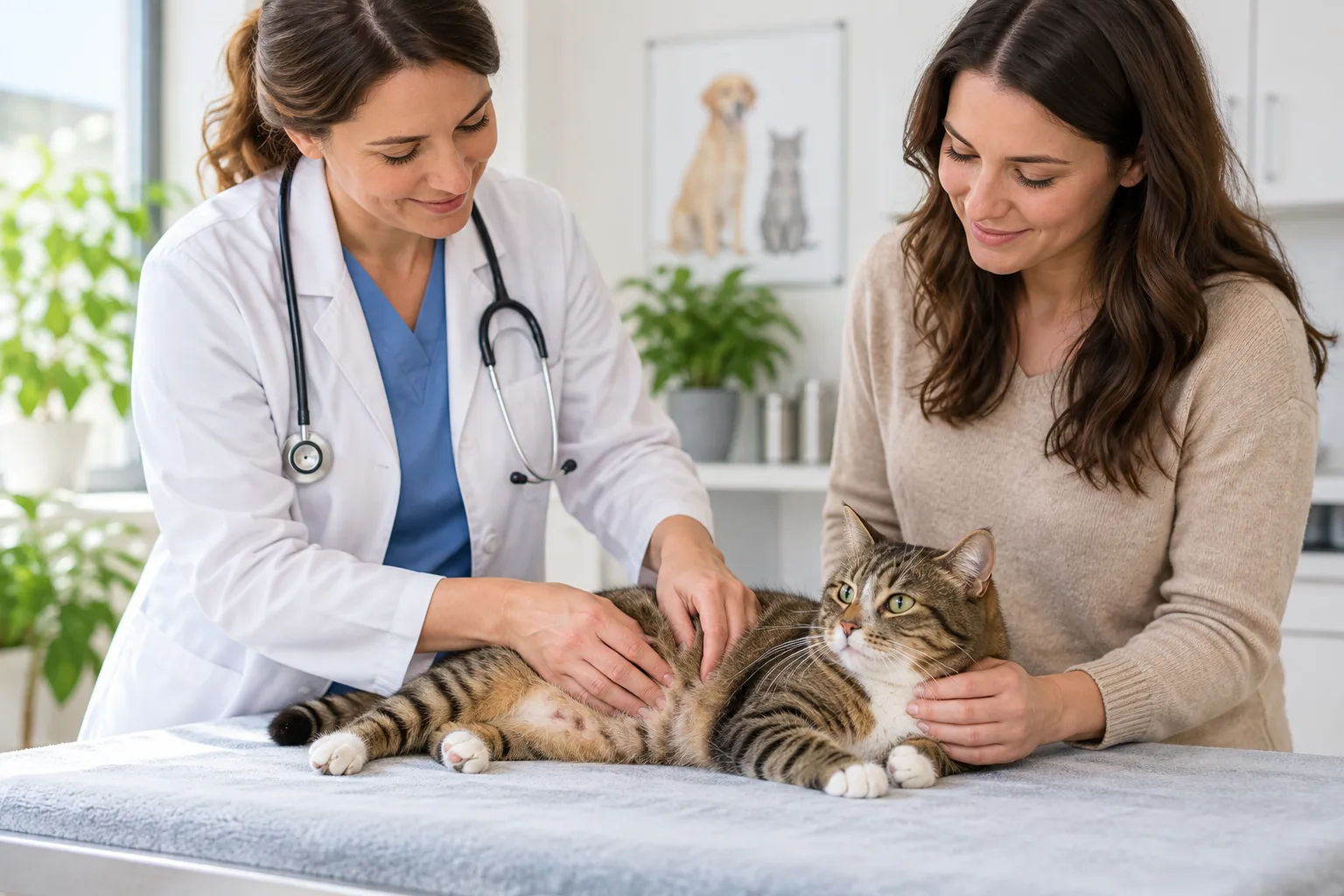
A reimbursement arrangement can let you use an eligible veterinarian while still requiring payment at the visit. Ask both the clinic and the insurer the questions that belong to them.
Can it provide itemized invoices and complete clinical notes? Who can send records if the insurer requests earlier history?
What deposit or payment is required? Does it offer any insurer-specific direct-payment process, and under what conditions?
Are licensed specialists and emergency visits eligible under the policy? Is the exam fee included or separately purchased?
If your pet is referred from one hospital to another, how should invoices and records be submitted for the same episode?
No Long Island premium average is reported here. A meaningful estimate needs a specified pet, address, coverage level, deductible and reimbursement method. A price gathered for a young dog in one ZIP code would not describe a senior cat elsewhere on the island.
Start with matched accident-and-illness settings and then identify differences that cannot be matched. Add the optional exam-fee, dental or routine-care benefits you actually want before comparing the final premium. Keep the initial payment and the recurring payment distinct if the checkout shows both.
For an insured pet, compare the proposed new exclusions as carefully as the price. Earlier symptoms or treatment may count under the new insurer’s pre-existing-condition definition even if the old insurer has been paying claims. A geographic move or a cheaper offer is a reason to ask questions, not an automatic reason to cancel.
Ask the insurer for its written explanation, the policy provision applied and the medical record it relied on. Compare these with your invoice and chronology. If the record contains an error, ask the veterinary practice how to correct it accurately; do not omit or rewrite medical history to change eligibility.
Follow the insurer’s appeal or review instructions and deadlines. If the issue remains unresolved, DFS explains how to file a consumer complaint. Have the policy number, insurer identity, relevant correspondence and a concise description ready. Check the current DFS instructions before uploading documents, and keep copies of what you submit.
Official tools to check insurers and insurance professionals.
Read the source → New York DFS: consumer complaintsHow to raise an unresolved insurance complaint in New York.
Read the source → New York State Bar: pet insurance questionsQuestions for New York pet-insurance shoppers.
Read the source →Regulator guidance supports the buying framework. Any named product example was checked against current official insurer materials; your state-specific policy and selected benefits determine the actual offer. No personalized premium was collected for this guide.
Check current options for your pet and location, then compare the policy details, exclusions, costs, and eligibility before choosing.